Back to Blog
August 25, 2026
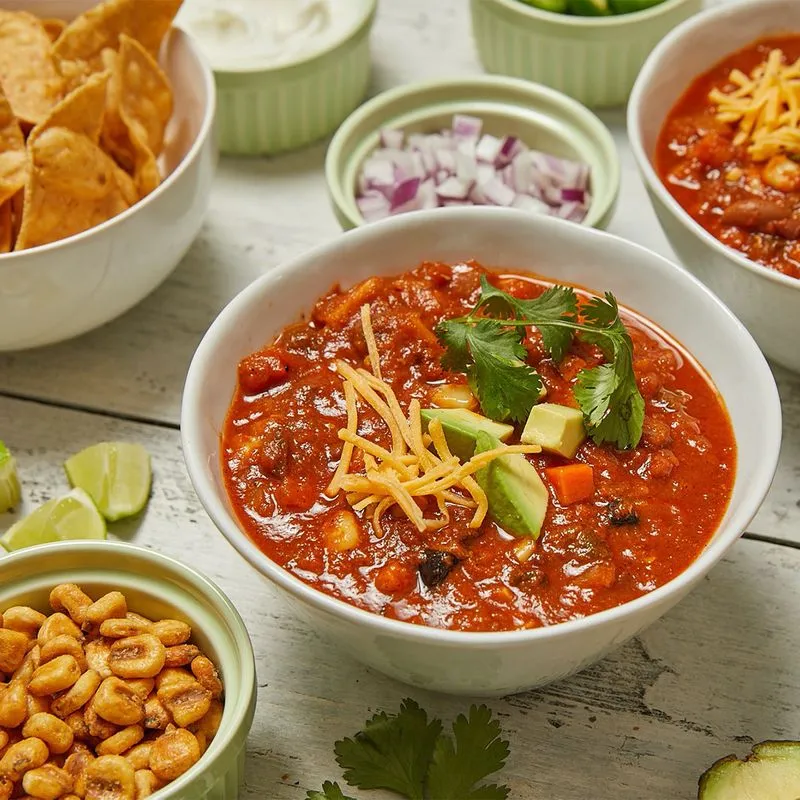
Consumer demand for plant-forward food reached its highest tracked level in 2026, and mixed protein is where the growth is. Datassential’s 2026 Plant-Forward Opportunity Report found that 64% of consumers are open to trying more dishes that mix animal and plant protein, the single highest-interest category in the study. Mixed-protein dishes combine animal and plant proteins in a single dish, using ingredients like beans, lentils, and whole grains alongside meat, poultry, or seafood.
For operators, the takeaway is practical: the strongest plant-forward move is using less meat with more vegetables, grains, and legumes on the menu, rather than removing meat altogether.
Mixed protein is the format people want most
Among every plant-forward format tested, mixed-protein dishes drew the most interest. Think a grain bowl built with three ounces of salmon and a lentil base, or a rice and bean burrito with pork green chili on top. Openness to these dishes climbed nine points from 2024, the only measure of its kind to grow year over year while others held flat or softened.
64% of consumers are open to more dishes mixing animal and plant protein, the highest-interest category in the 2026 study and up 9 points from 2024.
The data also shows that this trend is not about processed meat alternatives standing in for the real thing. Whole plant proteins should work alongside animal protein to make a dish that’s as satisfying as its all-meat counterpart with a lighter footprint and a broader nutrition story. For menu planning, that means the opportunity sits inside familiar dishes operators already run, not in a separate concept that has to be sold from scratch.
Plant-forward is now easier to menu
Obstacles that used to keep diners from ordering plant-forward dishes are getting smaller. Taste is still the top reason diners hesitate to choose menu items labeled as plant-forward, but it dropped from 45% in 2025 to just 36% in 2026. That sharp decline shows chefs have done a great job addressing this concern, but it’s still where they should keep their focus.
Protein content is the other barrier worth designing menus around. 43% of diners are seeking to increase their protein intake this year, while 26% worry a plant-forward dish will not deliver enough protein. That concern rises to 30% among Gen Z. People aren’t rejecting more vegetables, they’re just asking for proof that it’ll keep them full and fuel their day.
Familiarity is also the key here. 30% of consumers are more likely to order plant-forward when it comes in a familiar format, and soup was one of the few formats named directly. Familiar flavors lead every motivator on the list at 46% overall. A recognizable dish like soup, pizza, or a burrito carries none of the skepticism a novel or new concept has to overcome. The lesson for menu planning is consistent: build plant-forward into formats diners already reach for, rather than isolating it in a section they skip.
What does “good value” mean for plant-forward menu items in 2026?
The most useful reframing in the 2026 report is about value. Eating less meat can often be seen as a budget play, but the data points elsewhere.
When asked what makes a plant-forward dish feel like a good value, high quality ingredients (31%) and hearty, filling portions (30%) both ranked above a lower price than meat dishes (27%). Value, in other words, is about satisfaction and quality, not the lowest price.
There is also a merchandising lever some menus underuse. 50% of consumers said they are more likely to order a plant-forward dish when it’s part of a value or combo meal. Soup pairs naturally into salad and sandwich bundles, which makes it one of the easiest ways to turn plant-forward interest into an actual order.
How one James Beard Award-winning chef saw the plant-forward shift coming
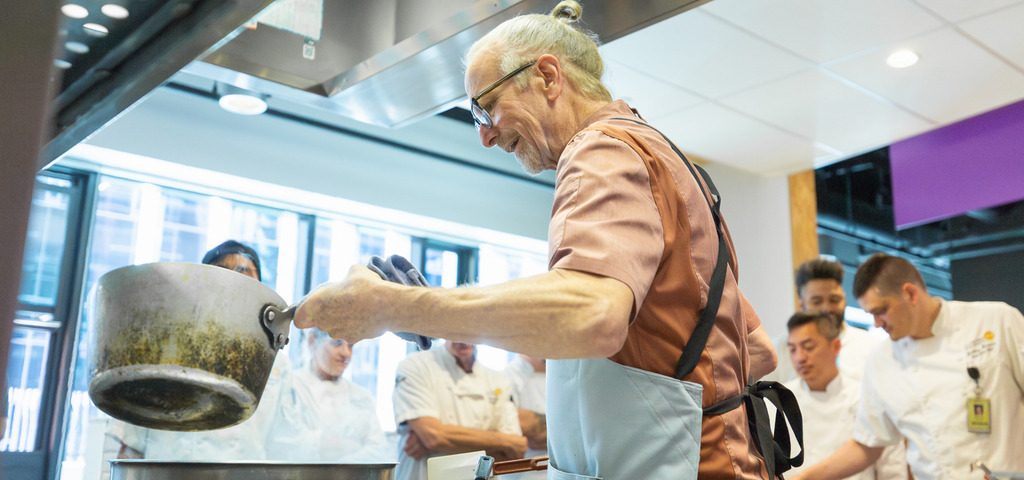
Chef Michel Nischan designed Wholesome Crave’s Comfort Classics line to satisfy demand well before Datassential released their 2026 report. A four-time James Beard Award winner and leading Food is Medicine advocate, he built the line to be genuinely plant-forward and protein-packed using innovative culinary techniques rather than just meat with a garnish of vegetables.
The data validates why this matters more than ever. 27% of consumers say that knowing all the ingredients, or seeing a short list of ones they recognize, would make them more likely to order a plant-forward dish. Nearly half of consumers plan to reduce processed foods (48%), and similarly plan to add more fiber (45%) and whole foods (43%) in addition to protein (43%).
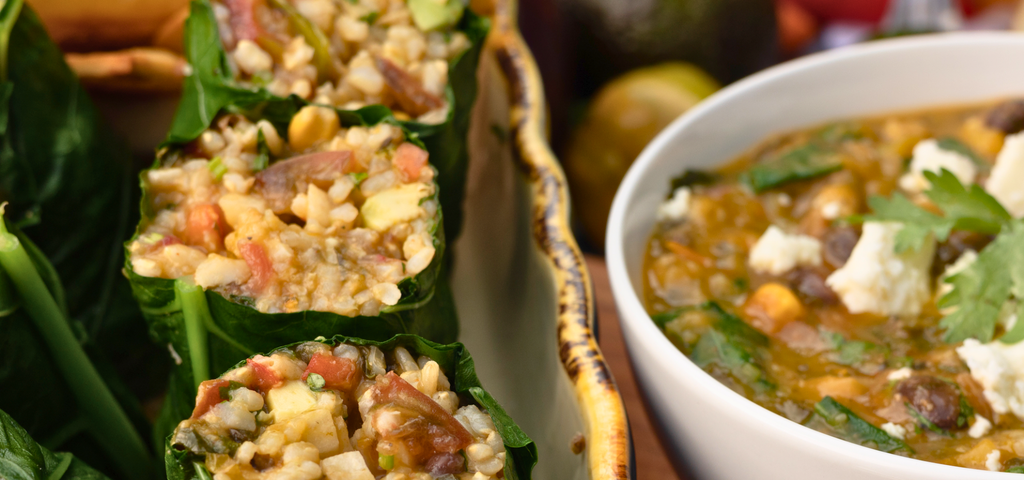
The Comfort Classics line contains more plant ingredients with more protein and fiber per serving than conventional versions, particularly the Homemade Chicken Noodle, Classic Minestrone, and Rustic Vegetable Beef. In each recipe, legumes and grains are expertly combined to provide complete protein and high fiber while delivering the exact same eating experience people expect. This approach is aligned with the EAT-Lancet Commission’s Planetary Health Diet, which calls for meals centered on whole plants with animal protein in a smaller, complementary role.
Chef Michel crafts every Wholesome Crave soup using only real, clean ingredients with no preservatives, additives, or artificial anything. For chefs and buyers in healthcare, university dining, and senior living, ingredient transparency is already a baked-in procurement standard. He set that bar years before the broader dining public started asking for it, too.
The result is comfort food that tastes like comfort food, backed by a nutrition profile built for how people want and need to eat today.
What should operators change on their menus?
The Datassential report points to a clear set of moves for chefs and operators putting plant-forward dishes on their menus:
- Build plant-forward into familiar formats like soup, rather than a separate section diners tend to skip.
- Complement animal protein with legumes and grains instead of swapping in processed alternatives.
- Lead with flavor and comfort. Let protein content and clean ingredients be the proof, not the pitch.
- Use bundles and combo pairings to turn interest into orders, like soup and a salad or sandwich.
Plant-forward in 2026 is less about persuading diners to eat differently and more about meeting them where they already are, with dishes they recognize and flavors they trust.
You can read Datassential’s full 2026 Plant-Forward Opportunity Report here. If you want the trend already built in, the Comfort Classics line is a great place to start; request samples today.
Source: Datassential 2026 Plant-Forward Opportunity Report, produced in collaboration with The Culinary Institute of America, BITE: Building Impact Through Eaters, and the Menus of Change University Research Collaborative.
Recent News
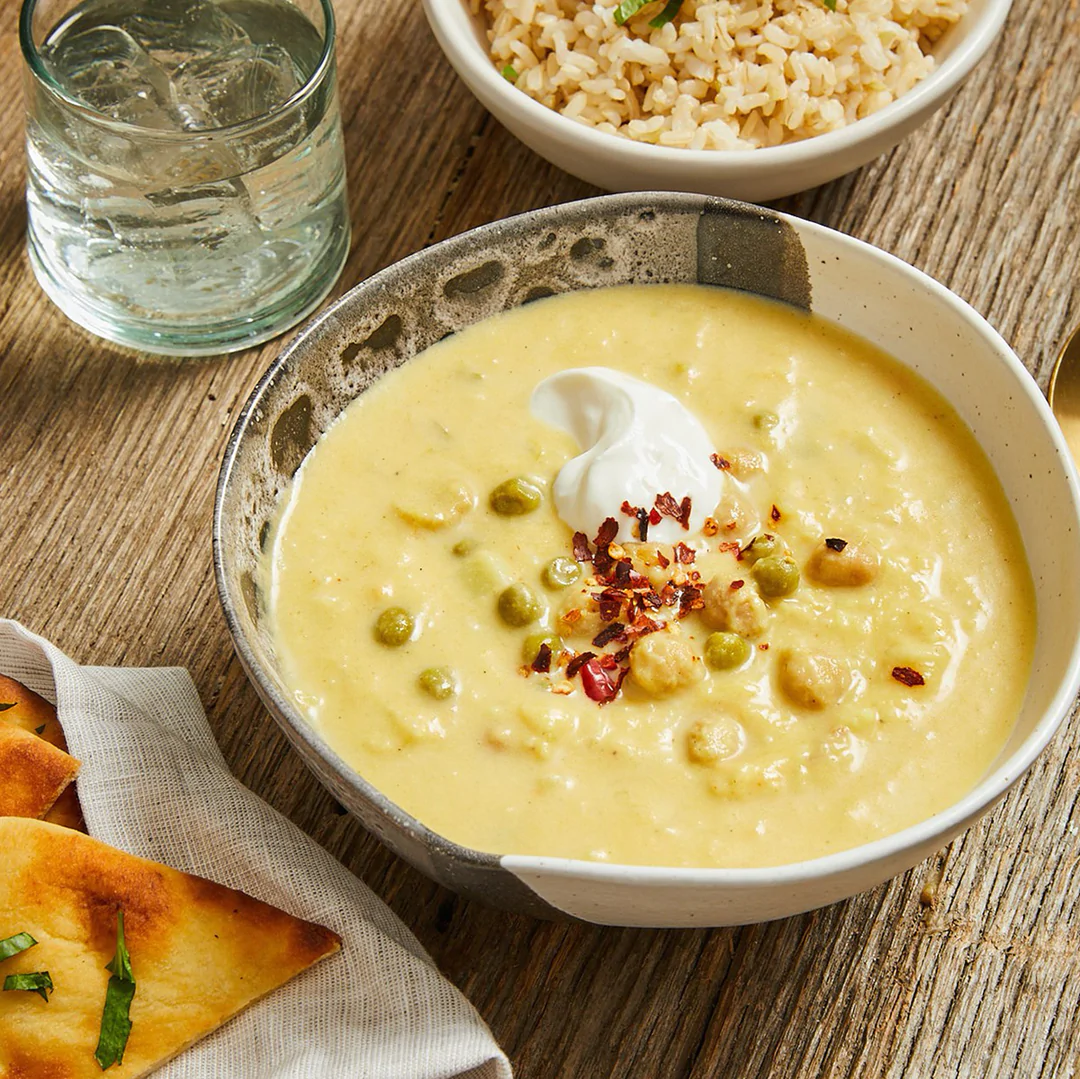
The Art of Chef-Crafted Nutrition: Exploring the Fusion of Flavor and Health
August 30, 2023
Understanding Food Equity: The Foundation of Wholesome Crave’s Mission to Foster Healthy Change
August 13, 2023
How Wholesome Crave Was Started: Our Mission to Promote Change
July 24, 2023

What is Wholesome Wave?
July 9, 2023
Wholesome Crave Teams Up With Nestlé Professional and UMass Dining to Spearhead Sustainable Plant-Based Movement
June 28, 2023